

Intro
Segmentation is an important part of virtually every successful email marketing program – so important, in fact, that we’ve created an entire toolkit to help marketers like you do it well! Just chew on these stats:
- Segmented campaigns can lead to a 760% increase in revenue (DMA).
- 39% of email marketers that practice list segmentation see better open rates, and 24% see increased sales leads (eMarketer).
- 56% of people unsubscribe from emails due to content that’s no longer relevant to them (Chadwick Martin Bailey).
How The Smartest Brands Segment
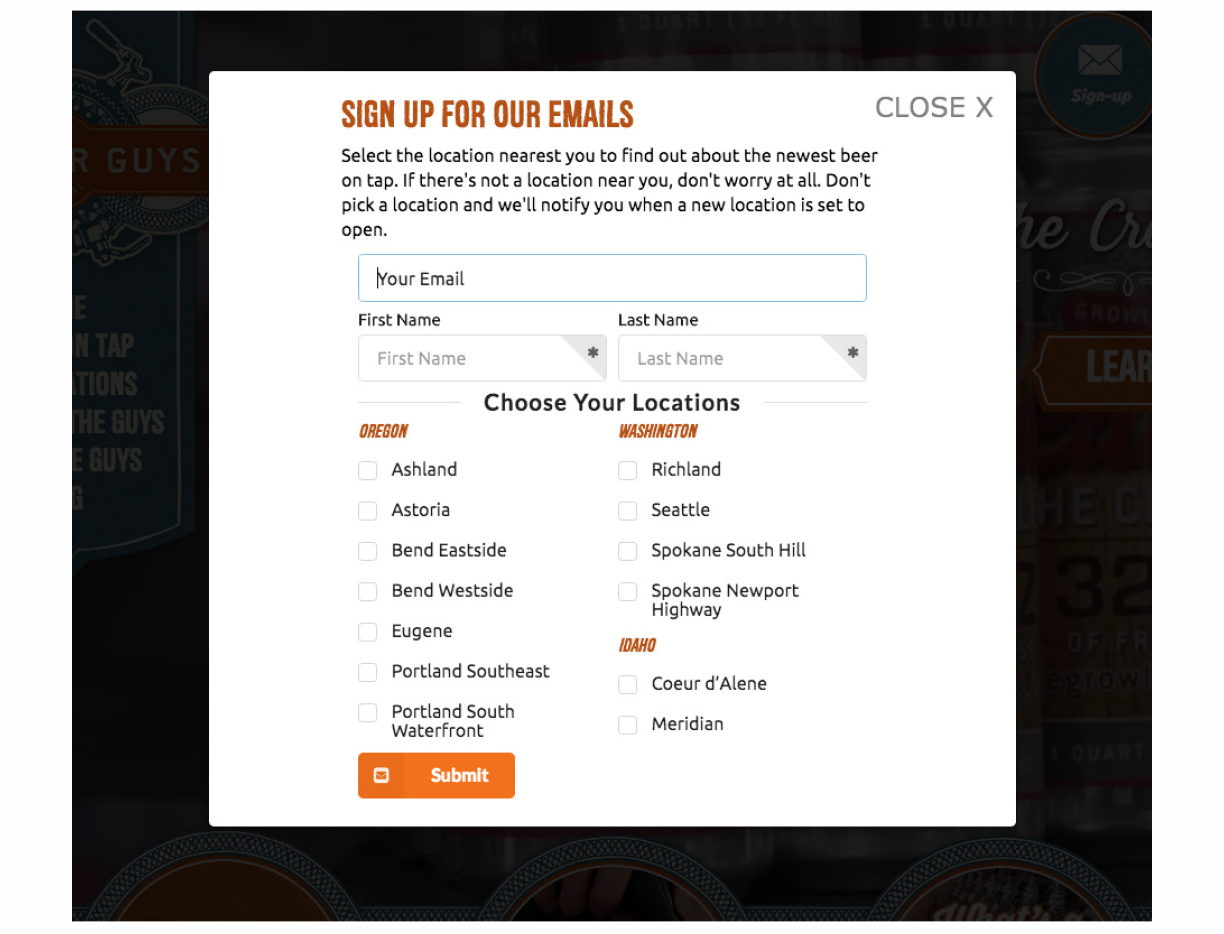
1. Before you start segmenting, you need to gather some information about your subscribers. This signup form asks for a lot of info right out the gate, but it only requires a name and email address. It’s a win-win: Subscribers stay in control of their customer experience, and The Growler Guys learn more about them from the very start.
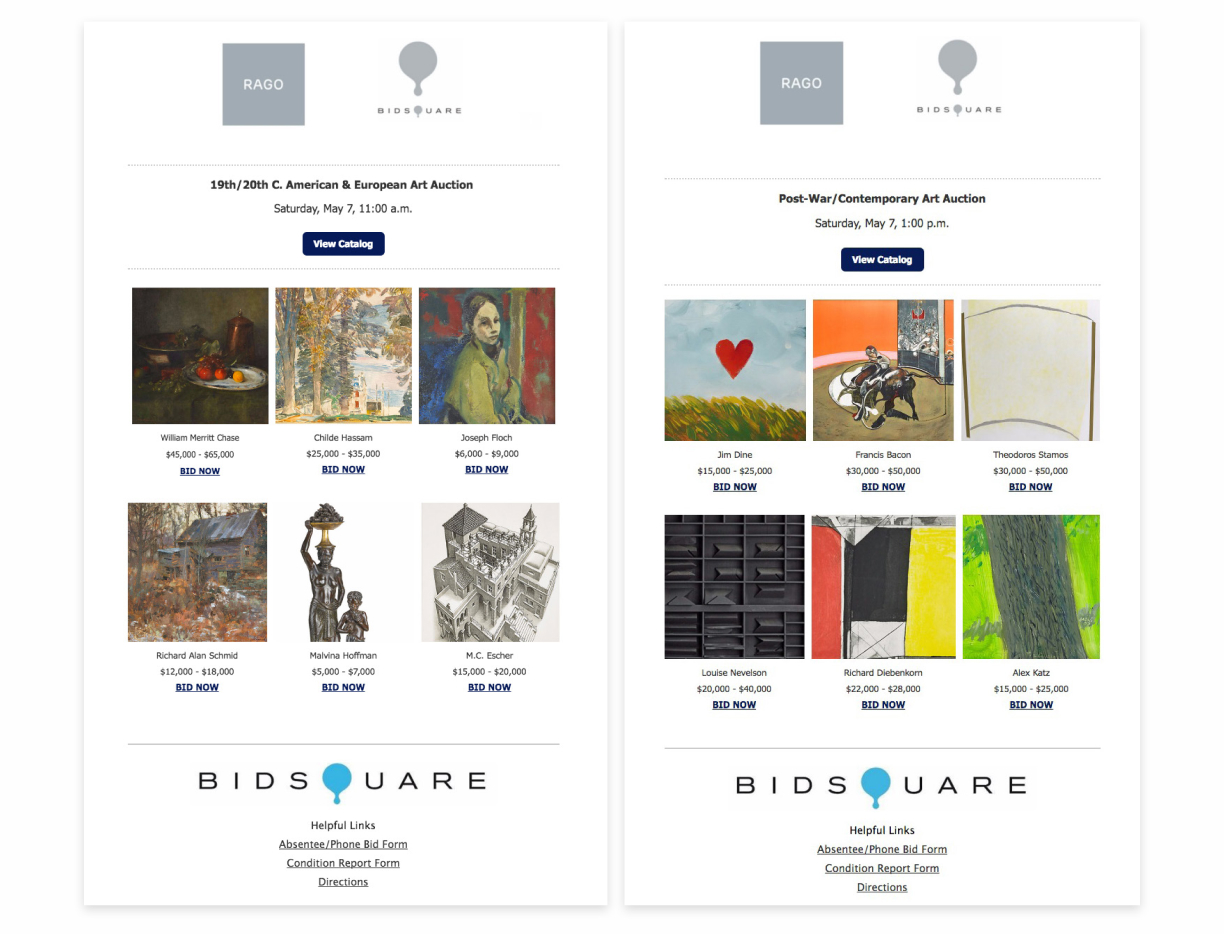
2. Segment in ways that make sense for your brand. For example, using past bidding behavior and other data they collect about their customers, Rago Arts segments so that subscribers receive emails showcasing only the art they’re most interested in: 19th/20th Century, Post-War/Contemporary, or both. The special attention to detail makes each subscriber feel incredibly valued – plus, it seriously increases their chances of converting!
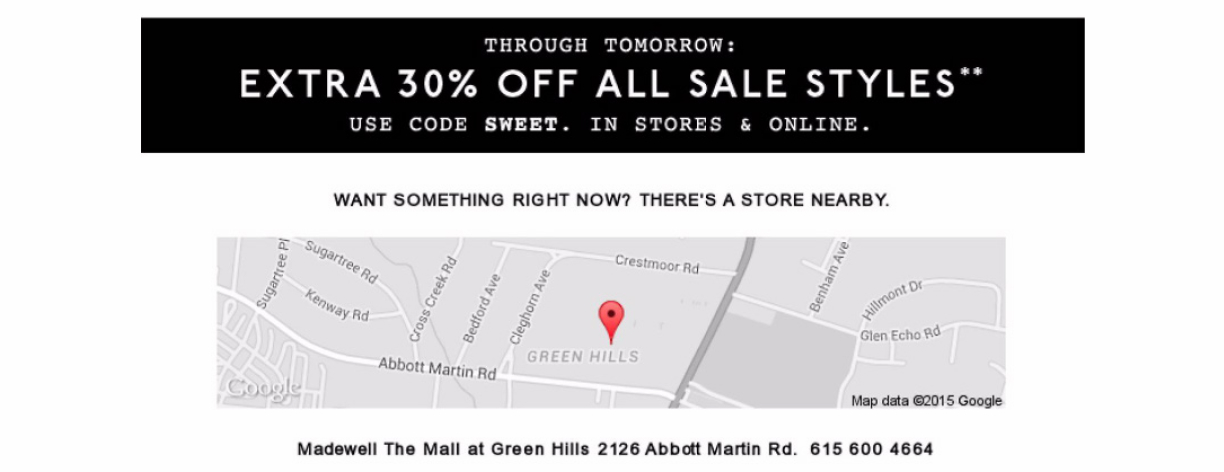
3. Another piece of data you can find out pretty easily (either at signup or early in your relationship with subscribers) is their location. Here, Madewell provides a map so subscribers know there’s a brick-andmortar store nearby, making it easy for them to shop whichever way they prefer.
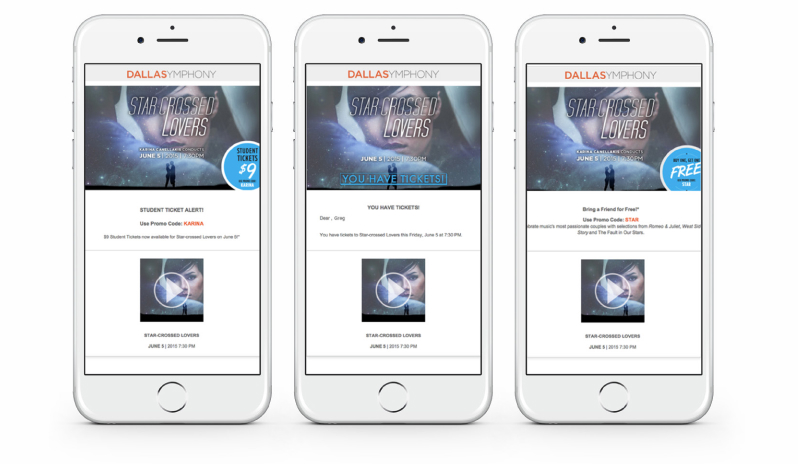
4. Segmenting based on where subscribers are at in the customer lifecycle is a really smart move. In this example from the Dallas Symphony, the general message is the same, but the special offer and copy vary depending on whether the recipient is a student, a nonstudent, or someone who’s already purchased tickets.
SEGMENTATION CASE STUDY
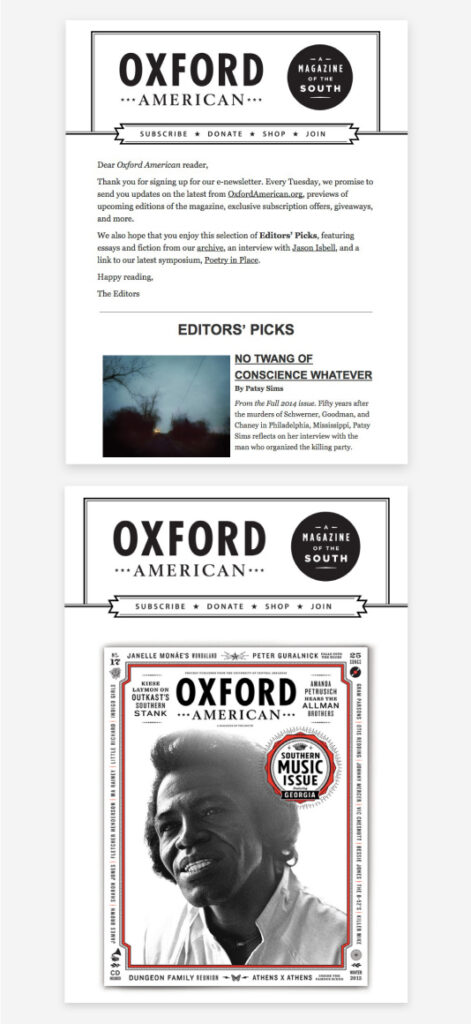
OXFORD AMERICAN
To deliver the most personalized inbox experience possible, the Oxford American, a quarterly magazine dedicated to the art and writing of the South, smartly segments each new email subscriber from the very beginning.
Based on which web page each new signup comes from, the team can determine if they’re already subscribed to their print magazine and adjust the content of the welcome email accordingly. The targeted welcome emails average an astounding 54.7% open and 24.5% click rate!
And by keeping a close eye on their response results, the OA team learns more about their subscribers’ interests with every send. When people are reading the print magazine, it’s impossible to see which articles they’re ripping out and saving, or dog-earring, or skipping over.
But with email, the OA team can see exactly which things individuals are most interested in – like if they click on a poem but not a music review. It’s data they can use to segment their audience in subtle, yet valuable ways.
The team currently has 38 segments based on demographics (like location or subscription status) and behavior (like the size and frequency of the purchases, clicks on particular types of content, etc.).
For instance, the Oxford American recently announced their much-anticipated Music Issue. But first, the team sent an invitation to pre-order the issue to a small segment of their audience: people that had purchased in the past, spent a certain amount of money, and regularly engaged with their mailings.
Just 24 hours after the mailing was sent, that single email produced over 201 conversions and achieved an ROI of $5,560.58!
Segmentation. It works.
A Handy Segmentation Checklist
Working on the best way(s) to segment your email list? This quick checklist is a good place to start.
- 1. HOW THEY SIGNED UP
- Did someone join your email list at an event? On your website? At your store? Segment and tailor your content accordingly. It shows that you’re paying attention, and you’ll make a fantastic first impression in the inbox.
- 2. LOCATION
- Here’s one example. When you segment by location, you can let subscribers in the Pacific Northwest know about a local event in Portland without annoying your audience in the Northeast – and they’ll thank you for choosing not to clutter their inbox with irrelevant content.
- 3. YOUR RESPONSE RESULTS
- Send a follow-up email only to the people who opened your last campaign. Or, resend to people who didn’t open with a different subject line and see if that does the trick. Also pay attention to what content they’re clicking on, so you can send them more of it.
- 4. YOUR MOST ENGAGED
- Have some subscribers who always open and click? They’re likely to be some of your most loyal brand advocates, so send them some exclusive content or a special offer to say thank you. They’ll appreciate the kind gesture. You’ll appreciate the great results.
- 5. YOUR LEAST ENGAGED
- On the other hand, we all have ‘em – subscribers who never open emails. Try segmenting them and sending a re-engagment (or win-back) email. According to Return Path, 45% of them will read subsequent mailings. And if they don’t, it’s time to take them off your list. No harm, no foul.
- 6. PURCHASE HISTORY
- This could be a simple thank you note, an email showing off other products they may like, or a loyalty reward for folks who regularly spend a lot. And this doesn’t just apply to retail – segmenting based on donation history or ticket sales works just as well.
- 7. BIRTHDAYS & ANNIVERSARIES
- Sending a special message to celebrate your subscribers’ birthdays and other major milestones is a fun (and effective) way to segment. These emails not only create some serious brand loyalty, they can also lift conversion rates by 60% (ClickZ)!
- 8. BY ANY ACTION, REALLY (AS LONG AS YOU’RE CAPTURING IT)
- Segmenting is about putting all that data you have to work so you can learn more about your audience and send them the most relevant content possible. So if you’re capturing a piece of data, odds are good you can segment by it. Odds are also good you’ll love the results.
Watch the Webinar Let’s Get Personal
Join Emma Content Marketing Strategist Jamie Bradley as she gives you tips and examples for using smart segmentation to craft an inbox experience that everyone – from your CMO to your newest subscriber – can appreciate.
ADVANCED SEGMENTATION MADE EASY
You know that feeling you get when you open an email that looks great, is clearly in line with your interests and preferences, and has content that’s both relevant and timely? It’s like a breath of fresh air in the inbox – and with Emma’s Segment Builder, creating that feeling is a breeze.
